

Hygiene in Meat Processing Plants: Why Stainless Steel Matters?
Hygiene in meat processing plants relies on stainless steel surfaces, easy-to-dismantle machines and proper washdown procedures. A Seymag guide.
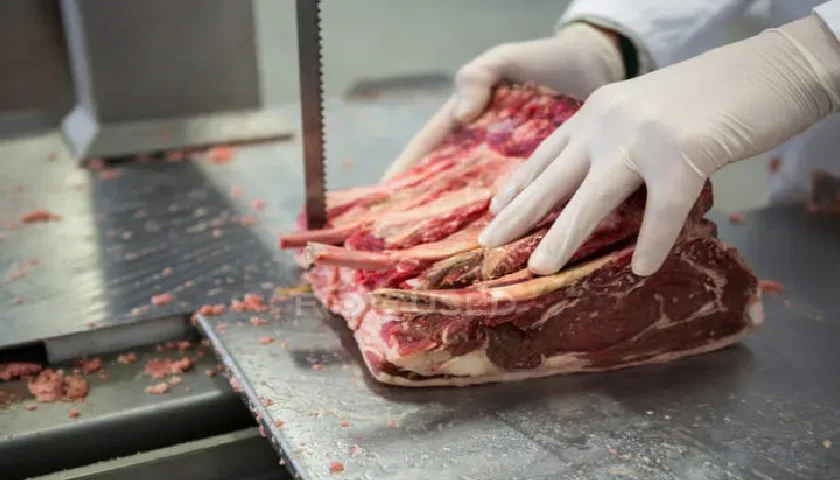
Food safety is the most critical issue in the meat processing industry. Minimizing microbiological risks is essential both for consumer health and for legal compliance. Machine and equipment selection is the first link in the hygiene chain.
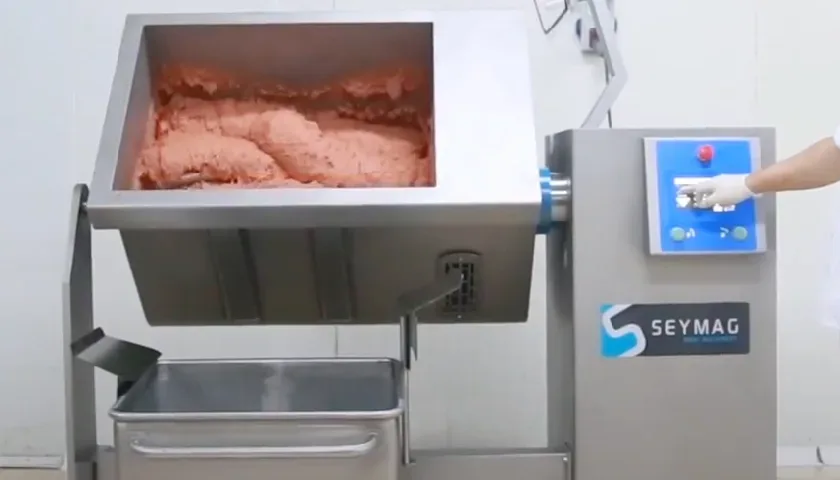
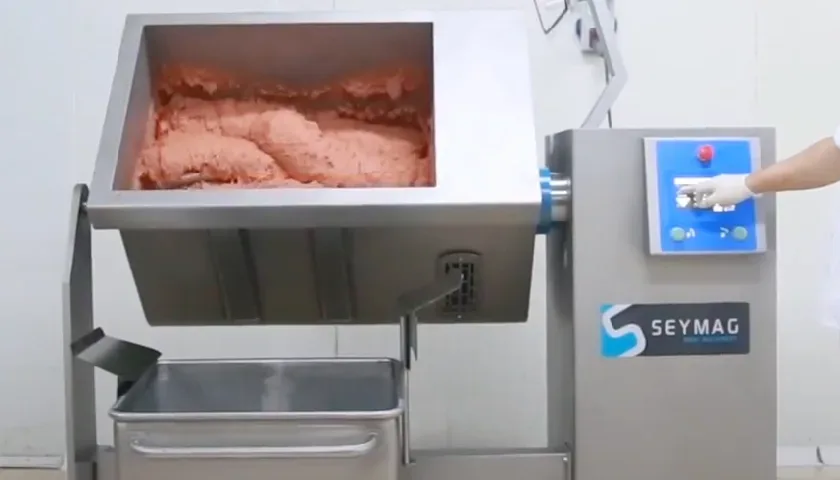
Why stainless steel? AISI 304 and 316 grade stainless steel is corrosion resistant, its non-porous surface does not harbor bacteria, and it withstands aggressive cleaning chemicals. All product-contact surfaces of Seymag machines are manufactured from stainless steel.
Easy-to-dismantle design: Being able to remove parts such as knives, plates, augers and mixing paddles with little or no tooling shortens daily cleaning time and saves labor. Dead spaces that cannot be cleaned are the main source of contamination.
Washdown-ready protection class: Motors and electrical components used in areas washed with pressurized water must have an appropriate IP protection class.
Hygienic production flow: Machine layout should be planned to separate dirty and clean zones and to allow one-way product flow. The Seymag engineering team evaluates these criteria together with you during plant planning.
Explore our hygienically designed meat processing machines and meat mixers, see our quality certificates or contact us for your plant.
Remember that equipment is only one part of the hygiene chain: staff training, documented cleaning plans, verified chemical dosing and periodic microbiological swab tests complete the system. Machines designed for hygiene make these procedures faster and repeatable, reducing both risk and daily operating costs across the entire production shift and simplifying audit preparation for retailers and export markets.
Choosing certified suppliers also simplifies your own documentation: material certificates for stainless steel, declarations of conformity for machine safety and clear cleaning instructions can be included directly in your HACCP file, saving time during customer audits and official inspections throughout the year.